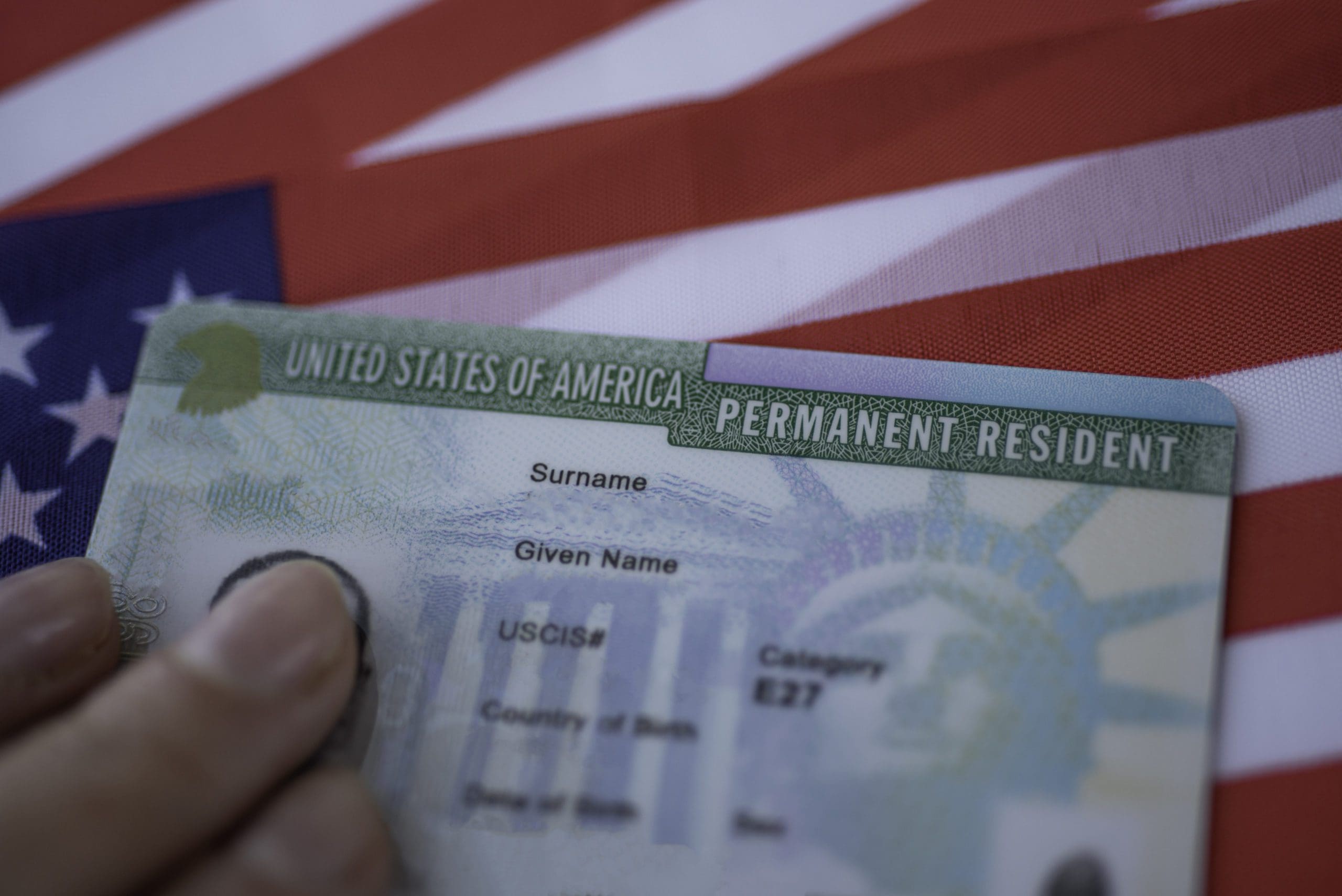


The decision to study abroad is often about more than just a degree. For many international students, the ability to stay and work after graduation is equally important, as it provides the chance to gain professional experience, repay educational costs, and sometimes secure long-term residency. In 2026, post-study work (PSW) visas have become one of the hottest topics in global education. Universities highlight them in recruitment campaigns, governments update them frequently to attract talent, and students plan their education choices around them.The demand is understandable. Countries like Canada, the UK, Australia, and Germany are locked in competition for the world’s brightest graduates. As their economies evolve, they need skilled workers in technology, healthcare, sustainability, and advanced engineering. Post-study work visas serve as an incentive to draw international students, who are seen not only as learners but as contributors to national labor markets. For students, these visas are no longer optional extras; they are central to deciding where and what to study.However, the landscape of PSW visas is dynamic and often confusing. Policies shift based on political priorities, economic cycles, and labor shortages. In 2026, new opportunities have emerged, but so have new requirements. To maximize success, students must stay informed, align their studies with high-demand sectors, and plan well in advance.
Country Trends in 2026
- Canada continues to lead with its Post-Graduation Work Permit Program (PGWPP), which in some provinces now offers up to five years of work authorization for STEM and sustainability graduates. This extension reflects the country’s urgent need for green tech and healthcare professionals.
- The UK has introduced its “Stay & Innovate” route, allowing graduates to extend their stay by launching startups or joining high-tech firms. London, Manchester, and Edinburgh are emerging as top destinations for entrepreneurial-minded students.
- Australia is incentivizing study in regional cities by granting longer work rights to those who graduate outside Sydney or Melbourne. This has boosted enrollment in universities across Perth, Adelaide, and Brisbane.
- Germany and the EU are aligning visa policies with the European Green Deal, prioritizing engineers, data scientists, and climate specialists. Graduates in these fields see faster visa approvals and extended permits.
Opportunities and Risks
For students, these changes are a double-edged sword. On one hand, opportunities to secure longer and more flexible PSW visas have never been greater. On the other, the requirements are becoming stricter. Governments expect students to graduate in sectors aligned with their economic priorities, maintain good academic standing, and comply strictly with visa rules.One emerging trend is the integration of internships and work-integrated learning into degree programs. Universities with strong corporate partnerships are giving graduates a head start in securing jobs that make them more attractive for PSW visas. Students who fail to gain practical experience during their studies risk being overlooked in competitive markets.
Conclusion
In 2026, post-study work visas are more than an immigration option—they are career gateways. Students who align their studies with high-demand fields and proactively seek internships will maximize their chances of long-term success. Governments, meanwhile, are making it clear: they want international students not only to study but to stay, work, and contribute.