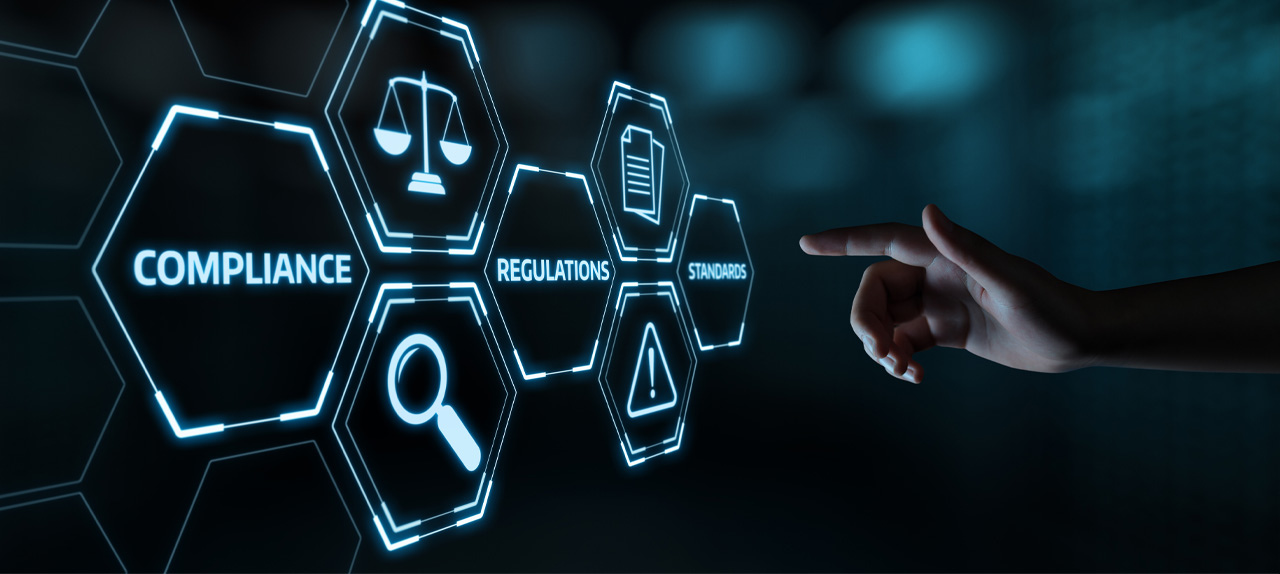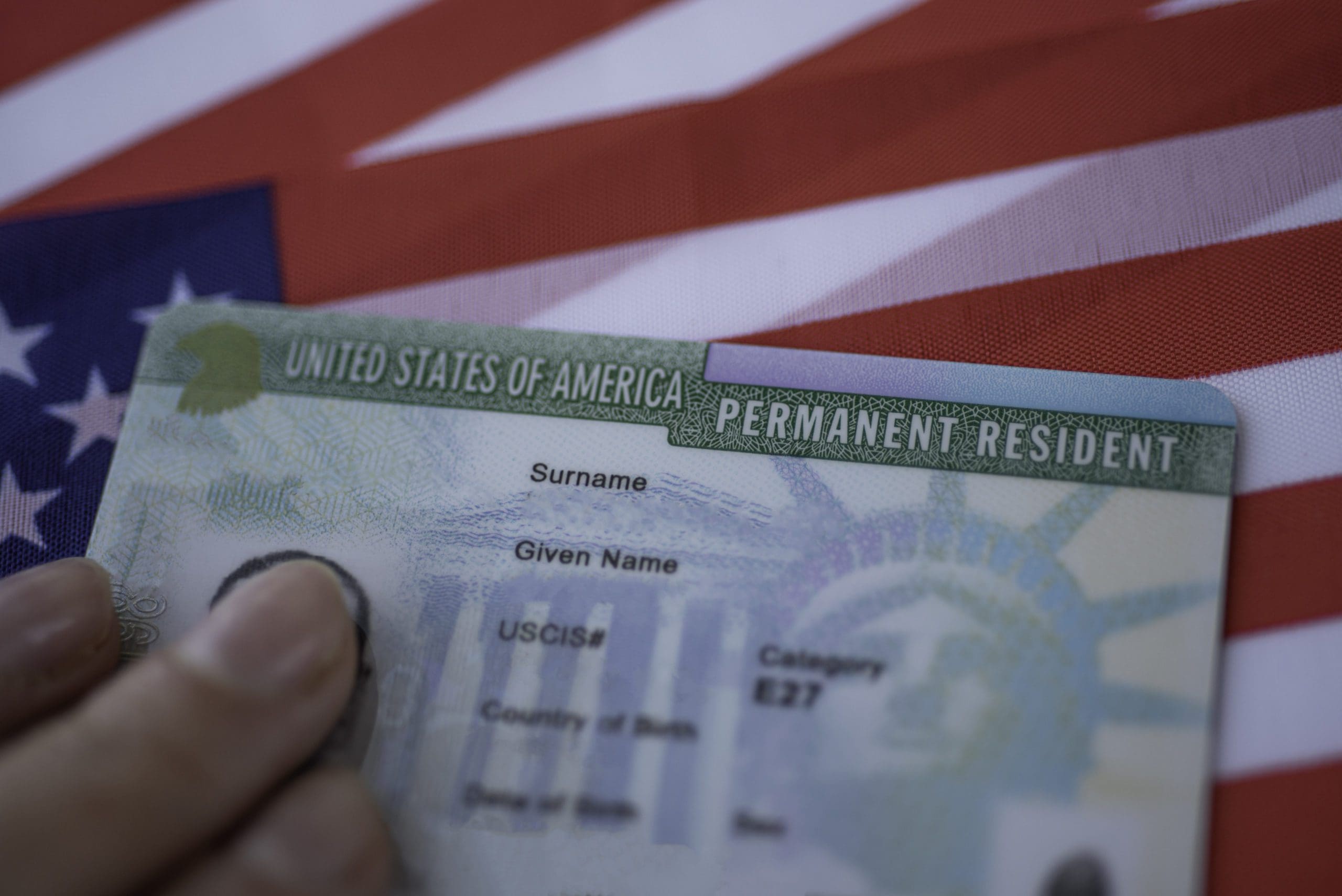

The global job market has seen a surge in fraudulent qualifications. Fake universities, forged degrees, and exaggerated credentials remain a significant challenge for recruiters and regulators. By 2026, it is expected that digital diploma mills will continue exploiting online platforms to issue counterfeit degrees. Employers who do not take credential verification seriously risk onboarding unqualified or dishonest candidates. Credential verification involves contacting issuing institutions directly, reviewing accreditation databases, and using secure digital verification tools. For example, blockchain-backed academic ledgers are increasingly adopted by leading universities worldwide. This makes it easier for employers to verify authenticity instantly. In countries with weaker education oversight, third-party screeners play a vital role in ensuring transparency. The risks of education fraud extend beyond just skills mismatches. In industries like healthcare, aviation, or engineering, hiring someone with falsified credentials can lead to life-threatening outcomes. Regulators worldwide are enforcing stricter compliance measures to address this. Employers who fail to comply face legal consequences and reputational damage. The solution lies in robust global partnerships between companies and background screening providers. Employers must prioritize providers who have direct access to verified academic databases. Such collaborations reduce turnaround time while ensuring security and accuracy. By staying ahead of education fraud trends, businesses safeguard not just their workforce but also the trust of their clients and stakeholders.