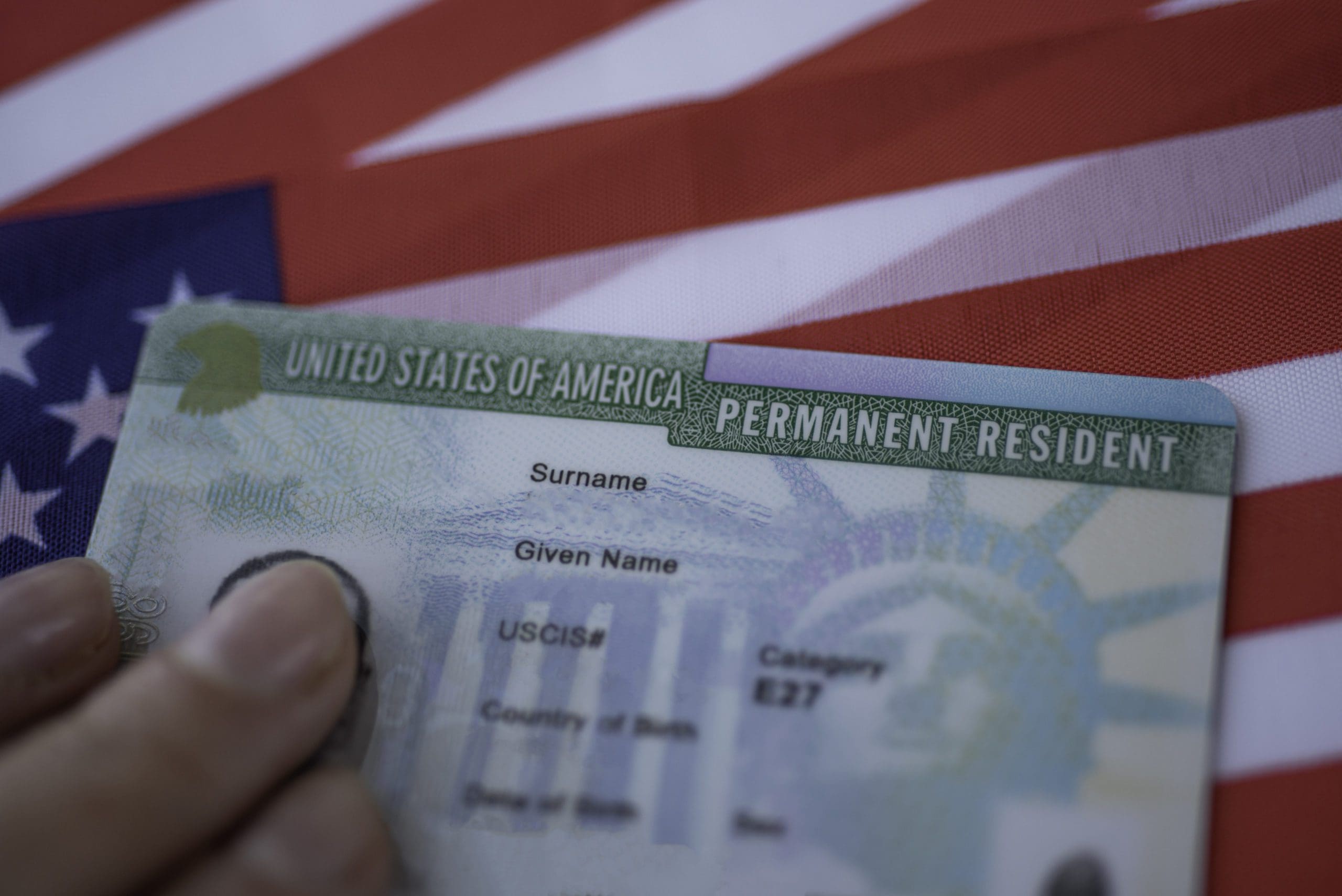

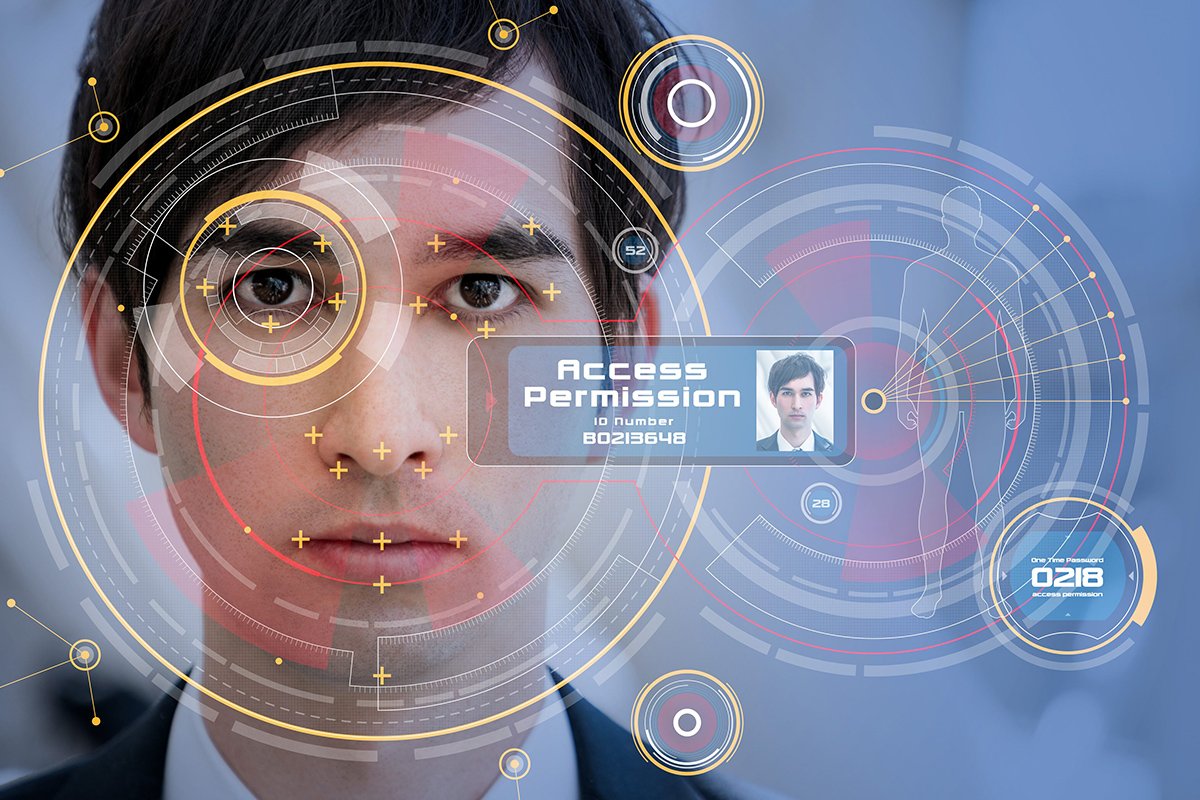
By 2026, biometric capture is standard for most long-stay visas and many short-stay categories. Fingerprints, facial images, and sometimes voice samples verify identity and reduce fraud. Applicants should plan biometrics early to avoid bottlenecks. Missing a biometrics window can stall otherwise strong files. Identity consistency is now a primary refusal or delay driver. Names, dates, and addresses must match across passports, degrees, pay slips, and police certificates. Minor discrepancies require sworn explanations or updated documents. Maintain a cross-reference sheet to keep every entry aligned. Security screening timelines vary with travel history, prior visas, and occupation. Sensitive industries may trigger extra vetting even when admissible. Build time buffers into your plan to accommodate extended background reviews. Avoid last-minute submissions near expiring status. Remote identity verification tools are more common at the front end. Liveness checks and NFC passport reads help portals trust uploads. Applicants should ensure passports are ICAO-compliant and undamaged. Clear scans under neutral light improve machine readability. Medical exams remain another identity-linked checkpoint. Clinics upload results directly to authorities to prevent tampering. Book panel physicians early in high-demand seasons. Keep vaccination records and prior medical letters handy for a smoother process.